Bridging the Gap: Commercializing Deep Tech Innovation
Insights from New York Deep Tech Week Panel Discussion

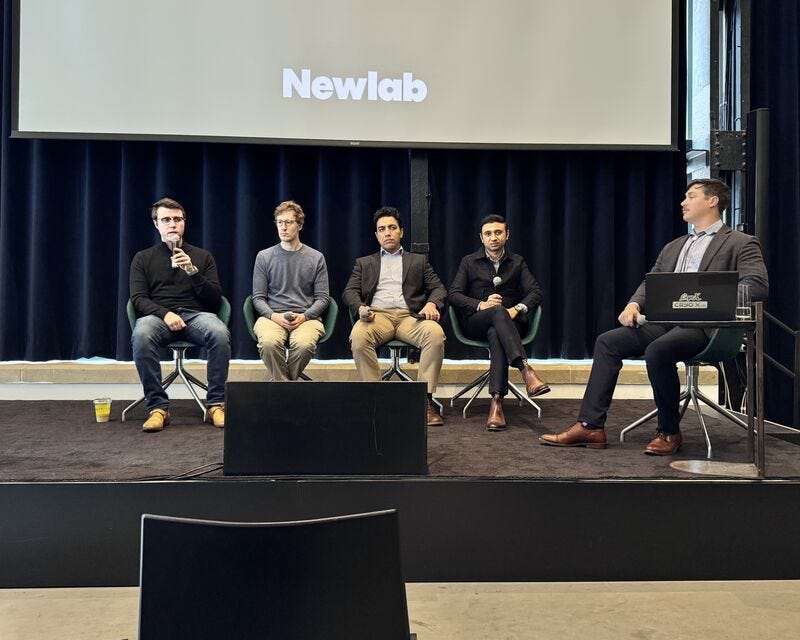
At New York Deep Tech Week, I had the opportunity to speak on a panel about one of the most pressing challenges for deep tech startups: how to successfully commercialize groundbreaking innovation. The conversation explored strategies for overcoming skepticism, building credibility, and navigating the unique complexities of enterprise partnerships, all while staying true to the transformative potential of deep tech.
For founders, the journey from lab to market is never straightforward. It demands not only technological brilliance but also strategic communication and a deep understanding of market dynamics. Here are some of the key insights from the discussion—both my own and those shared by other panelists.
Innovation Without Application Is Academic
One of the ideas I emphasized during the discussion was that innovation alone is not enough. Deep tech founders often mistake novelty for value, assuming that a superior product will naturally win. But without addressing a concrete, pressing problem, even the most groundbreaking technology risks being dismissed as a science project.
Founders need to clearly define the problem they solve and target investors and corporate partners who value that difference. Instead of focusing on the origin story of the technology, the narrative should center on its inevitability as a solution to a core challenge. For example, enterprise clients prioritize scalability, clear ROI, and technological superiority over internal builds. Founders who fail to address these priorities risk losing traction, no matter how innovative their product may be.
Start Small, But Strategically
One of the key themes of the discussion was the importance of early wins. Deep tech startups often aim too high, trying to solve massive, complex problems from day one. While ambition is essential, starting with manageable, niche applications can pave the way for long-term success.
I shared how startups can leverage early adopter programs or innovative financing models like hardware-as-a-service to build credibility and secure funding. These strategies allow startups to demonstrate value without requiring massive upfront commitments from customers. For example, pre-selling capacity or offering pilot projects can help build customer confidence, which in turn attracts investors and accelerates growth.
Another insight, shared during the panel, was the importance of commercial milestones. Early on, this might mean securing Letters of Intent (LOIs) or running pilot projects with proxy technologies. As the product nears launch, binding contracts and larger commitments become critical. These milestones not only validate the technology but also signal tangible progress to investors, helping to maintain momentum.
Strategic Communication Is Non-Negotiable
A recurring theme throughout the discussion was the role of communication in the success of deep tech startups. I emphasized that effective messaging starts on day one. Technology alone won’t sell itself, especially when it challenges existing paradigms. Founders need to craft a narrative that bridges the gap between the old and the new, helping customers and investors understand why the technology is both necessary and inevitable.
Visual storytelling emerged as a powerful tool for deep tech companies. Using renders, schematics, or even animations, founders can make their technology feel tangible and real, even at early stages. This approach is particularly effective for capital-intensive products, where customers or investors may hesitate due to high upfront costs.
Another important insight was the need for discoverability. A strong media presence, supported by thoughtful PR efforts, can boost long-term credibility. A well-designed website, tailored resources for R&D managers, and media coverage can attract early adopters, investors, and even employees. These efforts build legitimacy, which is critical for startups trying to break through the noise.
Navigating Enterprise Partnerships
Enterprise clients can be both an opportunity and a challenge for deep tech startups. During the discussion, I highlighted the importance of understanding what large organizations value most: scalability, clear ROI, and alignment with regulatory requirements.
However, working with enterprises comes with risks, especially around decision timelines. Large corporations often move slowly, and prolonged cycles can drain a startup’s resources and momentum. I advised founders to carefully assess the pace of decision-making and the enthusiasm of internal champions before committing.
Another key takeaway was the importance of mutually selective partnerships. Instead of chasing high-profile logos, founders should qualify partners based on strategic fit. The right partner can elevate a startup’s credibility and open doors to larger opportunities, while the wrong one can overwhelm the team with demands or stall progress.
Turning Regulation Into an Advantage
Regulatory hurdles are often seen as a burden, but they can actually be a competitive advantage. During the panel, I shared how compliance with rigorous standards not only validates a technology but also builds trust with enterprise clients. For startups selling to regulated entities, such as the government or healthcare providers, overcoming regulatory challenges becomes a key differentiator.
What’s more, regulatory compliance creates barriers for competitors. While it may slow progress in the short term, it positions the startup as a credible and indispensable player in the long run.
The Road Ahead
Ultimately, the path to commercial success in deep tech is about more than just great technology. It’s about understanding your market, crafting a compelling narrative, and building strong partnerships. Founders must focus on solving clear, meaningful problems, while also demonstrating measurable progress through early wins and commercial milestones.
As I shared during the panel, the transition from being seen as a disruptive outsider to becoming a necessary innovation provider hinges on how well you position your technology in the market. Whether it’s through strategic messaging, early adopter programs, or regulatory compliance, every move must be intentional and aligned with the broader vision.
Deep tech has the power to redefine industries and improve lives, but its success depends on how well founders navigate the journey from lab to market. With the right strategies, we can ensure that groundbreaking innovation doesn’t just stay in the lab, but makes a real, lasting impact on the world
.